


The Russia-Ukraine Conflict's Hidden Toll on 2026 Global Food Prices
The Russia-Ukraine Conflict's
Article Summary: The world often views the war in Eastern Europe through a purely political lens, but a quiet crisis is brewing on our dinner plates.
This article explores exactly how does the Russia Ukraine conflict affect global food prices 2026 by looking far beyond the immediate battlefield.
We will uncover the secrets of the shadow grain fleet, the ripple effects of soaring fertilizer costs, and the permanent shipping risk premiums.
By understanding these hidden mechanisms, you will see exactly why global food security faces a critical turning point in the near future.
You will also learn how these international shifts directly impact the cost of your everyday groceries.
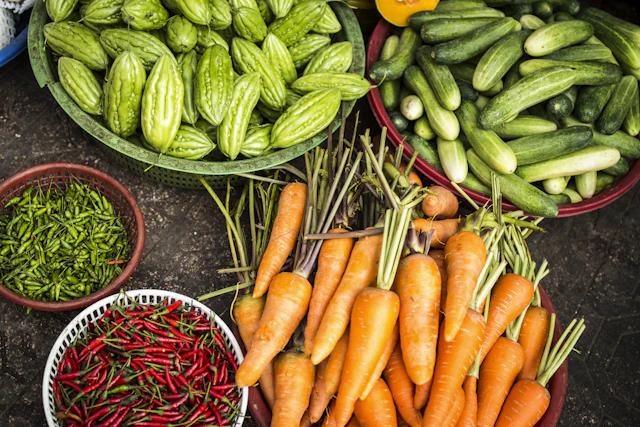 |
| Understanding the hidden logistical and agricultural factors driving future food prices. |
The global food system operates like a delicate, interconnected web of farmers, ships, and markets.
For decades, the fertile lands of Ukraine and Russia served as the undisputed breadbasket of the world.
Millions of people across multiple continents relied heavily on the massive exports of wheat, corn, and sunflower oil flowing out of the Black Sea region.
However, the ongoing war has severely damaged this once-reliable supply chain.
Many people mistakenly believe that food prices will automatically drop back to normal once the initial shock of the conflict fades away.
Unfortunately, the reality of agricultural economics paints a much more complex and concerning picture.
If you want to understand how does the Russia Ukraine conflict affect global food prices 2026, you must look closely at the structural damage done to global trade networks.
The severe consequences of missed planting seasons and destroyed agricultural infrastructure simply do not disappear overnight.
Instead, these issues compound over time, creating a delayed but powerful wave of inflation.
This inflation will inevitably hit supermarket shelves and household budgets in the coming years.
The Disruption of the Global Breadbasket
Before the conflict began, the Black Sea region dominated the global agricultural export market.
Rich, dark soils provided the perfect environment for growing high-quality grains at extremely competitive prices.
When military forces rolled across these fields, they did more than just disrupt a single harvest season.
They triggered a massive chain reaction that permanently altered the landscape of global food production.
Farmers in the region faced impossible challenges, from unexploded landmines hidden in their fields to the complete destruction of grain storage silos.
Without proper storage, millions of tons of harvested grain simply rotted away.
Furthermore, the local agricultural workforce shrank dramatically as farmhands joined the military or fled the conflict zones.
These disruptions mean that production capacity cannot simply bounce back to pre-war levels.
It takes years to clear dangerous fields, rebuild giant silos, and restore the local farming economy.
According to the Food and Agriculture Organization (FAO), the loss of this productive capacity leaves a gaping hole in global food reserves.
This massive deficit guarantees that grain supplies will remain remarkably tight as we approach 2026.
The Rise of the Shadow Grain Fleet
One of the most fascinating and troubling developments of this conflict is the creation of a massive shadow fleet.
To bypass strict international sanctions, a secret network of older, uninsured vessels began transporting agricultural products.
This shadow grain fleet operates entirely outside the traditional, regulated maritime shipping industry.
While it allows grain to reach certain buyers, it introduces massive inefficiencies into the global market.
These aging ships travel without standard Western insurance, making their journeys significantly more risky.
Because standard ports often refuse entry to these undocumented vessels, the cargo must undergo ship-to-ship transfers in open waters.
This dangerous and time-consuming process adds layers of extra costs to every single ton of wheat.
Additionally, a complex network of middlemen takes a cut of the profits to facilitate these hidden transactions.
In-depth investigations by Reuters highlight how this secretive trade bypasses normal market pricing and inflates delivery costs.
All of these hidden operational costs ultimately trickle down the supply chain.
When 2026 arrives, consumers will end up paying the hidden tax for these highly inefficient, secret shipping methods.
Soaring Fertilizer Costs and Soil Health
You cannot grow abundant food without high-quality fertilizers.
Russia and Belarus historically controlled a massive portion of the global fertilizer market, particularly in nitrogen and potash.
The conflict completely severed these vital supply lines.
Nitrogen fertilizer production relies heavily on natural gas, and as the war caused energy prices to spike, fertilizer prices skyrocketed alongside them.
This situation created a devastating dilemma for farmers worldwide.
Faced with doubling or tripling input costs, many farmers simply chose to apply less fertilizer to their fields.
While this saves money in the short term, it severely degrades soil health over the long run.
When soil lacks essential nutrients, crop yields drop dramatically in subsequent harvest seasons.
Agriculture operates on long, multi-year cycles.
A lack of proper nutrients in 2024 directly compromises the volume and quality of the harvest in 2025 and 2026.
Reports from World Bank commodity experts warn that this persistent nutrient deficit represents one of the biggest threats to future food security.
Smaller global harvests mean fiercer competition among nations to secure food, naturally driving prices upward.
Strategic Note: The global agricultural market no longer operates purely on simple supply and demand dynamics.
Today, geopolitical alliances, naval security, and fertilizer access directly dictate the price of your daily bread.
Understanding this harsh reality is absolutely vital for navigating future economic uncertainties.
The Impact on Alternative Agricultural Markets
When the primary breadbasket falters, the world desperately looks to alternative agricultural markets to fill the gap.
Countries like Brazil, the United States, and Australia face immense pressure to drastically increase their grain exports.
Many economic analysts constantly debate how does the Russia Ukraine conflict affect global food prices 2026 when considering these alternative markets.
However, ramping up national food production is never a simple or quick process.
Farmers in the Americas deal with their own severe challenges, including unpredictable weather patterns driven by climate change.
Extended droughts in South America or unexpected floods in the American Midwest can quickly erase any projected production gains.
Furthermore, these alternative countries also suffer from the exact same global fertilizer shortage.
Even if they have the land to plant more crops, they still face massive input costs.
Transporting massive quantities of grain from South America to Africa also requires much longer shipping routes compared to the Black Sea.
This increased distance automatically translates into higher fuel consumption and steeper freight costs.
Therefore, while alternative markets provide a crucial safety net, they cannot magically produce cheap food to completely offset the crisis.
The mathematical reality ensures that the overall baseline price of global commodities remains significantly elevated.
| Feature | Pre-Conflict Era | Projected 2026 Reality |
|---|---|---|
| Primary Shipping Route | Direct and safe Black Sea pathways | Shadow fleets and heavily rerouted vessels |
| Fertilizer Access | Abundant and highly affordable | Restricted and extremely expensive |
| Insurance Premiums | Standard, low maritime rates | Permanent, high war-risk premiums |
| Market Predictability | High stability and low volatility | Extreme volatility and sudden price shocks |
| Global Grain Reserves | Healthy and comfortable surplus levels | Critically tight deficit margins |
The Permanent Logistical Risk Premium
Shipping food across the ocean used to be a highly predictable and relatively cheap business.
The conflict completely shattered this predictability overnight.
The Black Sea, once a bustling and safe maritime highway, transformed into an active war zone filled with naval mines.
Because of these immense dangers, international insurance companies drastically increased their war-risk premiums for any ship entering the region.
Even ships traveling near the conflict zone face significantly higher insurance rates.
To avoid these astronomical fees, many shipping companies choose entirely different, much longer routes to transport agricultural goods.
Longer routes consume far more fuel and tie up cargo ships for extended periods.
This reduces the total number of ships available globally, pushing shipping rates higher across the entire maritime industry.
Experts refer to this added cost as a permanent logistical risk premium.
This premium acts exactly like a hidden tax on every single shipment of grain.
By 2026, this logistical tax will remain firmly embedded in the baseline price of global food commodities.
How Developing Nations Bear the Heaviest Burden
While shoppers in wealthy countries might simply complain about higher grocery bills, developing nations face a true survival crisis.
Many countries in Africa and the Middle East rely almost entirely on imported grain to feed their populations.
These nations operate on tight national budgets and lack the financial power to absorb sudden price shocks.
When global wheat prices surge, governments in these regions must spend precious foreign currency reserves just to prevent local food shortages.
This economic strain forces them to cut funding for crucial education, healthcare, and infrastructure development.
Furthermore, a recent World Economic Forum (WEF) report emphasizes that food inflation often triggers severe social unrest.
When everyday people cannot afford basic staples like bread and cooking oil, political instability quickly follows.
The ripple effects of the Russia-Ukraine conflict practically guarantee that these vulnerable nations will face intense economic pressure in 2026.
The world must recognize that a localized war creates a massive global shockwave that hits the poorest communities the hardest.
Consider how these overlapping crises directly translate into higher costs for your everyday products.
- Spiking Bread Prices As the raw cost of wheat climbs due to risk premiums, local bakeries must raise prices just to survive.
- Meat and Dairy Inflation Farm animals consume massive amounts of feed corn. When corn becomes expensive, the cost of producing milk and beef naturally surges.
- Cooking Oil Shortages The Black Sea region produces a massive percentage of the world's sunflower oil. Less production directly increases the price of alternative oils on the market.
- Restaurant Menu Hikes Restaurants operate on incredibly thin margins. They quickly pass higher ingredient costs directly to the consumer dining out.
- Packaged Goods Cost Processing facilities pay more for energy, packaging, and raw grains. These cumulative costs reflect on every single processed snack you buy.
- Pet Food Expenses Even the ingredients used in premium pet food rely on the same global agricultural supply chains. Your pet's dinner becomes significantly more expensive.
Track Your Own "Macro-Kitchen" Index
You can actually see these global economic shifts playing out right in your own kitchen. Start keeping your grocery receipts and create a simple chart to track three specific items: flour, cooking oil, and eggs. Next, compare your personal price chart with global news regarding international shipping costs (like the Baltic Dry Index) or fertilizer shortages. You will quickly notice a fascinating pattern. When international logistical costs rise, your local supermarket adjusts the prices of your basic staples a few months later. This simple, hands-on experiment turns complex macroeconomics into a tangible reality you can measure, making you a much smarter consumer.
The Farmer's Silent Struggle
Behind every terrifying statistic and complicated economic chart, there are real people working the land. Imagine a third-generation farmer in South America or the American Midwest staring at his laptop, realizing that the fertilizer he needs to buy has tripled in price due to a war an ocean away. He knows his soil desperately needs those nutrients, but his bank account simply cannot cover the immense expense. He is forced to make the heartbreaking decision to use less fertilizer, knowing his harvest will be significantly smaller next year. When we talk about global food security in 2026, we are really talking about the combined results of millions of these painful, individual human decisions. The agricultural crisis is not just a math problem; it is a profound human struggle that connects a farmer's anxiety directly to the warmth of the bread on your dinner plate.
Between Geopolitics and the Grocery Aisle
As a writer analyzing global technological and economic trends, I find the interconnected nature of our food system both fascinating and slightly terrifying. Most people assume that when the fighting stops, prices will magically drop back to normal immediately. From a scientific and economic standpoint, agriculture simply does not work like a light switch. The damage done to soil health from missed fertilizer cycles, the shifting of shipping alliances, and the loss of trust leave deep scars that take years to heal. We are witnessing a historic, forced rewiring of global trade networks. My advice to you? Do not panic, but do stay informed. Understanding these hidden mechanisms gives you a distinct advantage. It allows you to view food inflation not just as corporate greed, but as the complex systemic lag it truly is, helping you budget and prepare for the years ahead with clarity and confidence.
Conclusion: In the end, predicting exact market conditions remains challenging, but the structural damage to global agriculture is undeniable.
The shadow grain fleet, soaring fertilizer costs, and permanent shipping risk premiums create a perfect storm for agricultural inflation.
The world cannot easily replace the immense productive capacity of the Black Sea region overnight.
As we approach 2026, everyday consumers and vulnerable nations alike will face the harsh reality of these delayed economic consequences.

Posted by STOCKpro
 " width="300" />
0 Comments