


Discover Crypto Staking for Beginners 2026: Your Path to Passive Income
This article provides a complete, step-by-step guide on crypto staking for beginners 2026.
It is designed to help you earn passive income safely and confidently without needing advanced technical skills.
You will learn how to choose the right digital assets, select secure platforms, and manage potential market risks effectively using insights from trusted financial authorities.
By following these simple instructions, you can set up your first staking account today and start growing your wealth without constantly watching the market.
Discover Crypto Staking for Beginners 2026
The world of digital finance moves incredibly fast, but earning money from it does not have to be stressful or overly complicated.
In the past, people thought they had to trade constantly, buying low and selling high, to make a profit in cryptocurrency.
Today, a much calmer and more reliable method exists.
Crypto staking allows you to put your digital assets to work, generating a steady stream of passive income while you sleep.
If you want to build wealth over time without staring at price charts all day, understanding this concept is your perfect starting point.
It helps you direct your investments effectively and ensures your money works as hard as you do.
Acquiring these basic skills, widely endorsed by educational platforms like Investopedia, will significantly enhance your financial portfolio and boost your chances of long-term success in the digital economy.
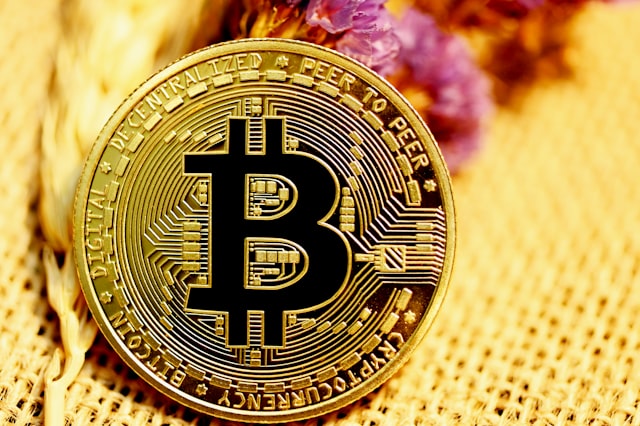 |
| Start earning passive income through crypto staking today. |
Many beginners feel overwhelmed by the technical jargon surrounding blockchain technology.
However, you do not need a degree in computer science to succeed.
Staking simply means locking up a portion of your cryptocurrency to help support the operation of a blockchain network.
In return for your contribution, the network rewards you with more cryptocurrency.
This guide breaks down everything you need to know about crypto staking for beginners 2026, ensuring you can start your journey safely and profitably.
By applying these straightforward techniques, you increase your digital asset holdings and build a resilient financial future.
What Exactly is Crypto Staking?
To grasp how staking works, you first need to understand how certain cryptocurrencies process transactions.
Unlike traditional banks that use central servers, many modern cryptocurrencies use a decentralized system called "Proof of Stake." This system relies on everyday users to verify transactions and keep the network secure. When you understand this foundation, you will see exactly where your passive income comes from. Here are the core concepts you need to know to get started.
- Proof of Stake (PoS) 📌 This is the consensus mechanism that powers staking. Instead of using massive amounts of electricity to mine coins, PoS networks require users to lock up their existing coins to validate new blocks of data, a process thoroughly documented by the Ethereum Foundation.
- Validators 📌 When you stake your coins, you essentially vouch for the accuracy of the network's transactions. The network randomly selects validators to confirm these transactions based on how many coins they have staked.
- Staking Rewards 📌 As a thank you for helping secure the network, the blockchain mints new coins and distributes them to the stakers. This is how you earn your passive income.
- Lock-up Periods 📌 Many networks require you to commit your coins for a specific amount of time. During this period, you cannot sell or move your staked assets.
- Delegation 📌 You do not need to run complex computer hardware yourself. You can easily "delegate" your coins to a professional validator who does the technical work for a small fee.
- Annual Percentage Yield (APY) 📌 This term represents the total amount of interest you will earn over a year, including the effect of compounding. Different coins offer different APY rates.
In short, you must understand that you are simply depositing your digital assets into a smart contract to help a network function. The network pays you a yield in return for your trust and participation.
Continuous learning about these mechanics will help you build a strong and profitable staking portfolio.
Top Benefits of Staking Your Crypto
Why should you bother locking up your digital assets? The advantages extend far beyond just making a quick profit.
Staking offers a unique combination of financial growth and technological participation that traditional investments simply cannot match.
Here are the primary benefits you will enjoy when you start staking.
- Consistent Passive Income You generate new coins regularly, often daily or weekly, without having to perform any active work or trading.
- The Power of Compounding Many platforms allow you to automatically restake your rewards. This means you earn interest on your initial deposit, plus interest on the interest you have already earned.
- Supporting the Ecosystem By staking, you actively contribute to the security and efficiency of your favorite blockchain projects, helping them grow and succeed.
- Lower Energy Consumption Unlike traditional Bitcoin mining, which requires massive amounts of electricity, staking is incredibly energy-efficient and environmentally friendly.
- Protection Against Inflation As fiat currencies lose their purchasing power, earning a high APY on a deflationary or utility-driven cryptocurrency helps protect your overall wealth.
- Simplicity and Accessibility You can start staking with just a few dollars. You do not need thousands of dollars or a specialized financial advisor to begin.
- Avoiding Trading Stress Staking encourages a long-term holding mentality, which prevents you from making emotional, panic-driven trading decisions during market dips.
Considering these benefits, staking becomes an incredibly attractive option for anyone looking to build a long-term financial portfolio.
It transforms your idle digital assets into active, income-producing tools, increasing your overall financial stability.
Comparison: Staking vs. Traditional Savings Accounts
Many beginners wonder how staking compares to leaving money in a standard bank account.
While both methods aim to grow your wealth passively, they operate in entirely different ways and carry different levels of risk and reward.
Review this comparison to understand the key differences and make an informed decision.
| Feature | Crypto Staking | Traditional Savings Account |
|---|---|---|
| Average APY | Typically ranges from 4% to 15%, depending on the specific coin and network. | Usually ranges from 0.1% to 4%, often failing to outpace national inflation rates. |
| Risk Level | Moderate to High. The value of the underlying cryptocurrency can fluctuate significantly. | Very Low. Bank deposits usually carry government insurance up to a certain amount. |
| Liquidity | Often requires a lock-up period (days to months) where you cannot access your funds. | High. You can usually withdraw your cash at any time without facing severe penalties. |
| Payout Currency | You earn rewards in the same cryptocurrency you staked, which can grow in value. | You earn rewards in fiat currency (like USD or EUR), which slowly loses purchasing power. |
By analyzing this table, you can see that staking offers much higher potential returns, but it requires you to accept the volatility of the crypto market.
It is a powerful tool, but you should balance it with safer, traditional assets to maintain a healthy financial profile.
How to Choose the Right Staking Platform
Selecting where to stake your coins is just as important as choosing which coins to buy.
You have two main options: centralized exchanges and decentralized wallets.
Centralized exchanges, like Binance, Kraken, or Coinbase, act like traditional banks. They hold your coins and handle all the technical staking processes for you.
This option is incredibly user-friendly and perfect for absolute beginners, as highlighted by Binance Academy's educational resources.
However, you must trust the exchange to keep your funds safe from hackers or bankruptcy.
On the other hand, decentralized wallets, like Trust Wallet or MetaMask, give you complete control over your private keys.
You interact directly with the blockchain's smart contracts.
While this method provides maximum security and eliminates the middleman, it requires a bit more technical knowledge.
You must carefully store your recovery phrases and ensure you do not click on malicious links.
When evaluating any platform, always check their fee structure.
Some platforms take a large percentage of your staking rewards as a commission.
Look for transparent platforms that clearly state their APY and any associated fees. Additionally, read user reviews to ensure the platform has a strong track record of reliable payouts and responsive customer support.
In short, if you prioritize convenience and ease of use, start with a reputable centralized exchange.
If you prioritize security and full ownership of your assets, take the time to learn how to use a decentralized hardware or software wallet.
Step-by-Step Guide to Start Staking Today
Taking action is the most important part of your journey.
If you feel ready to earn your first passive income, follow this simple, step-by-step process.
This guide assumes you are using a beginner-friendly centralized exchange, which is the easiest route for newcomers.
- Create an Account 👈 Choose a well-known, regulated cryptocurrency exchange. Download their official app, sign up with your email, and complete the required identity verification (KYC) process.
- Fund Your Wallet 👈 Link your bank account or debit card to the exchange. Transfer the amount of fiat currency (like dollars or euros) that you feel comfortable investing.
- Buy a Stakable Coin 👈 Navigate to the trading section and purchase a cryptocurrency that supports Proof of Stake. Ethereum (ETH) or Solana (SOL) are excellent starting points for beginners.
- Find the Staking Section 👈 Look for a menu option labeled "Earn," "Stake," or "Rewards" within the app. Click on it to view the list of available assets you can stake.
- Select Your Asset and Terms 👈 Choose the coin you just bought. The app will ask you how much you want to stake and whether you want a "Flexible" term (withdraw anytime) or a "Locked" term (higher rewards, but funds are frozen for a set period).
- Confirm and Earn 👈 Review the terms, agree to the conditions, and click the stake button. Congratulations! You will now start seeing new coins added to your account regularly.
By following these straightforward steps, you successfully transition from a passive observer to an active participant in the digital economy.
You can now monitor your growing rewards directly from your dashboard and watch your wealth compound.
Best Cryptocurrencies for Staking in 2026
Not all cryptocurrencies offer staking, and among those that do, some are much safer than others.
As a beginner, you should avoid obscure, low-value coins that promise unrealistically high returns.
Instead, focus on established projects with strong fundamentals and large communities. Here are some of the top choices for crypto staking for beginners 2026.
- Ethereum (ETH) As the second-largest cryptocurrency in the world, Ethereum offers a highly secure and reliable staking experience. It powers thousands of decentralized applications, ensuring long-term demand.
- Solana (SOL) Known for its incredibly fast transaction speeds and low fees, Solana has a massive ecosystem. Staking SOL is very straightforward and generally offers competitive APY rates.
- Cardano (ADA) Cardano is famous for its rigorous, peer-reviewed academic approach to blockchain development. It offers a unique staking system where your coins are never locked, giving you total flexibility.
- Polkadot (DOT) Polkadot connects different blockchains together. It typically offers higher staking rewards than Ethereum, though the lock-up periods can be slightly longer.
- Avalanche (AVAX) Avalanche is a highly scalable network popular among decentralized finance developers. Staking AVAX helps secure its multiple subnets and provides a solid passive yield.
- Cosmos (ATOM) Often called the "Internet of Blockchains," Cosmos allows different networks to communicate. Staking ATOM not only earns you rewards but often qualifies you for free "airdrops" from new projects.
- Polygon (MATIC/POL) Polygon helps Ethereum run faster and cheaper. Staking its native token is a great way to support the scaling of the world's most popular smart contract platform.
- Chainlink (LINK) Chainlink provides real-world data to blockchains. Their staking program is highly sought after, offering secure yields for long-term believers in the project.
While smaller coins might advertise 100% APY, they often lose their underlying value rapidly, leaving you with worthless tokens.
Stick to the proven market leaders to ensure your passive income journey remains profitable and stress-free.
Understanding the Risks and How to Manage Them
While earning passive income sounds perfect, you must approach the crypto market with your eyes wide open.
Every financial opportunity carries risk, and staking is no exception.
The most obvious risk is market volatility.
If you earn 10% APY on a coin, but the price of that coin drops by 50% over the year, your overall portfolio value still decreases.
You must believe in the long-term potential of the asset you choose to stake.
Another specific risk is called "slashing."
If you delegate your coins to a validator who acts maliciously or goes offline frequently, the network might penalize them by destroying a portion of their staked coins—including yours. To prevent this, always choose reputable validators with high uptime scores and positive community reviews.
Furthermore, be mindful of lock-up periods.
If a sudden financial emergency arises in your personal life, you cannot instantly sell coins that are locked in a 30-day staking contract.
Finally, beware of smart contract bugs and platform hacks.
If you use a decentralized finance (DeFi) protocol that has poor security coding, hackers could drain the staking pool.
Always use platforms that have undergone rigorous security audits by independent blockchain security firms like CertiK to keep your funds safe.
"The golden rule of investing applies perfectly to crypto staking: Never invest money that you cannot afford to lose, and always diversify your portfolio to protect your hard-earned capital."
Ultimately, managing risk comes down to education and moderation.
Do not put your entire life savings into a single staking platform.
Spread your investments across different coins and different platforms to create a resilient safety net.
Creative Idea: Build Your "Digital Yield Garden"
Let us step away from the screens and numbers for a moment and apply a highly creative, deeply human approach to your new financial journey.
I highly recommend starting a physical "Digital Yield Garden" journal.
Every time you receive a staking payout—even if it is just a fraction of a cent—write it down next to a drawing of a small seed.
As your compound interest grows over the months, draw that seed sprouting into a plant, and eventually a tree.
This simple, creative exercise transforms invisible digital codes into a tangible, visual representation of your growing wealth.
It connects your logical brain with your emotional brain, making the waiting process incredibly rewarding and fun.
Author's Perspective: The Science of Patience
As a financial writer and tech enthusiast, I want to share my honest, scientific perspective with you.
The cryptocurrency market is notoriously volatile, and human biology is hardwired to react to sudden changes with a "fight or flight" response.
When you trade actively, you flood your brain with stress hormones like cortisol.
Staking, however, is a scientifically sound method to bypass this biological trap.
By locking your assets and earning a predictable yield, you shift your brain's reward system from short-term dopamine spikes to long-term, sustainable satisfaction. My sincere advice to you is to embrace this boring, yet beautiful, mathematical certainty. Do not let the chaotic noise of social media disrupt your peace.
Use reliable platforms, stake fundamentally strong assets, and let the brilliant algorithms of blockchain technology do the heavy lifting for you.
Conclusion: In the end, mastering crypto staking for beginners 2026 requires a careful balance of basic technical knowledge and emotional discipline.
You must choose fundamentally strong cryptocurrencies, utilize secure and reputable platforms, and clearly understand the lock-up periods and market risks involved.
By taking the time to educate yourself, you transform a seemingly complex technology into a straightforward tool for financial growth.
Furthermore, you should always prioritize security over chasing unrealistically high yields.
By adopting a long-term perspective and allowing your staking rewards to compound naturally, you can build a robust stream of passive income.
Start small, stay consistent, and let the innovative power of blockchain technology help you achieve your financial goals in the years to come.
You can get also.

Posted by STOCKpro
 " width="300" />
0 Comments